College Will Humble You: What Challenge Success Teaches Families About Admissions Pressure
August 12, 2026

Key Takeaways
- More than 200,000 students surveyed by Challenge Success rank college admissions among their top stress sources.
- Their research finds a good-fit college supports learning and long-term well-being.
- Selectivity weakly predicts later life outcomes, yet rankings still drive applications.
- Prestige pressure quietly rewires how teenagers measure their worth.
- A pricing model rewarding elite acceptances pays advisors to reinforce that pressure.
- Real admissions success should mean fit and well-being.
- The humbling starts with admissions, long before move-in day.
Related Video
Watch: A Healthy Approach to College Admissions - Challenge Success by The Parent Venture
Quick Summary
"College will humble you" gets tossed around like a warning label. But the humbling does not wait for move-in day. It starts with the application process, which surveys from Challenge Success consistently flag as a leading source of student anxiety. We see the same pattern in family after family: pressure to win a prestige game slowly rewrites how a teenager sees their own value.
If getting humbled is coming either way, the point is not to dodge it. It is to make sure the process measures the right things. That creates a real problem for any performance-based pricing model, because incentives should point to the student's development, not a brand name on a rejection letter.
What Challenge Success Actually Argues
The core claim is blunt: finding a good-fit college does more for learning and long-term well-being than getting into a top-ranked one.
That pushes back on a belief most families never stop to question, the idea that prestige guarantees quality. The focus shifts instead to how a student engages with their environment. Their research-based workshops explain what rankings actually measure and lower anxiety while doing it.
The pandemic raised the stakes. A survey of over 10,000 students in fall 2020 found high stress and low engagement. It hit female students and students of color hardest.
How Long These Strategies Take
Most fit-focused strategies cost little money and moderate effort. The hard part is not logistics. It is unlearning the reflex to chase rankings.
| Strategy | Time to Implement | Difficulty | What It Shifts |
|---|---|---|---|
| Reframe "success" as fit, not prestige | 1-2 conversations | Hard | The whole mindset |
| Research fit signals over rankings | 3-5 hours per school | Easy | Application list quality |
| Attend a community education workshop | 1-2 hours | Easy | Shared family norms |
| Open a values conversation at home | Ongoing | Medium | Daily pressure levels |
The "hard" label is not about skill. It is about resisting what everyone around you seems to value.
Which Approach Actually Lowers the Pressure
The model you pick shapes both stress and outcome. Here is how the common approaches compare on incentives and student well-being.
| Approach | Defines Success As | Effect on Student Well-Being |
|---|---|---|
| Rankings-first | Getting into the highest-ranked school | High stress, worth tied to outcomes |
| Flat-fee consulting | Delivering the service, whatever the result | Neutral, no skin in the game |
| Fit-and-well-being focus | Right match plus student readiness | Lower stress, sustainable |
| Performance-based (fit-defined) | Aligned outcomes plus family satisfaction | Accountability without prestige pressure |
One quiet finding makes the fit-focused path easier than parents expect. Parents privately value caring over achievement but assume their peers care most about achievement. That gap is why workshops work. They make real priorities visible, and the pressure cycle starts to unwind.
Why This Debate Is Worth Your Attention
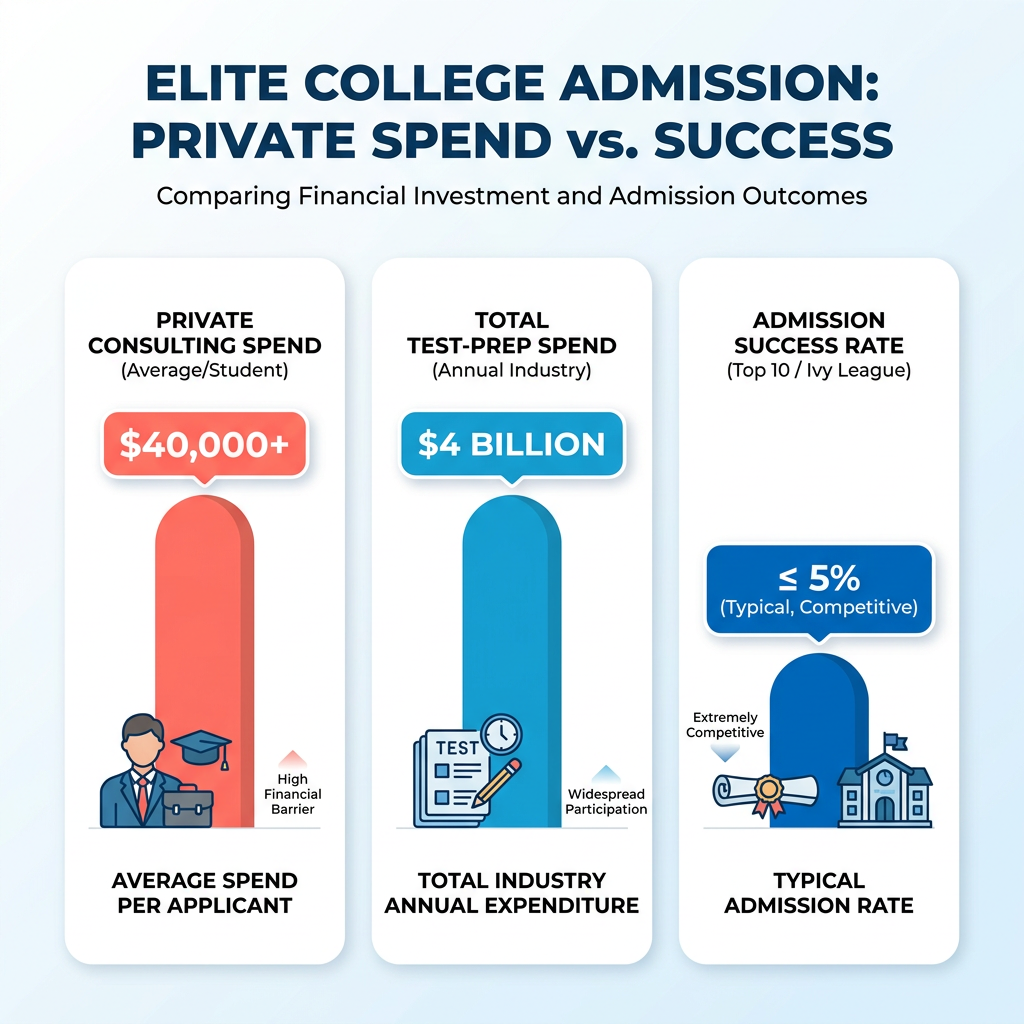
College will humble you long before any rejection letter shows up. It starts in the gap between what families spend and what that spending buys. Affluent families routinely pay $40,000 or more for private consulting, and more than $4 billion went to test prep in a single year. Yet the same analysis shows that extracurricular resume-building does not move admission odds.
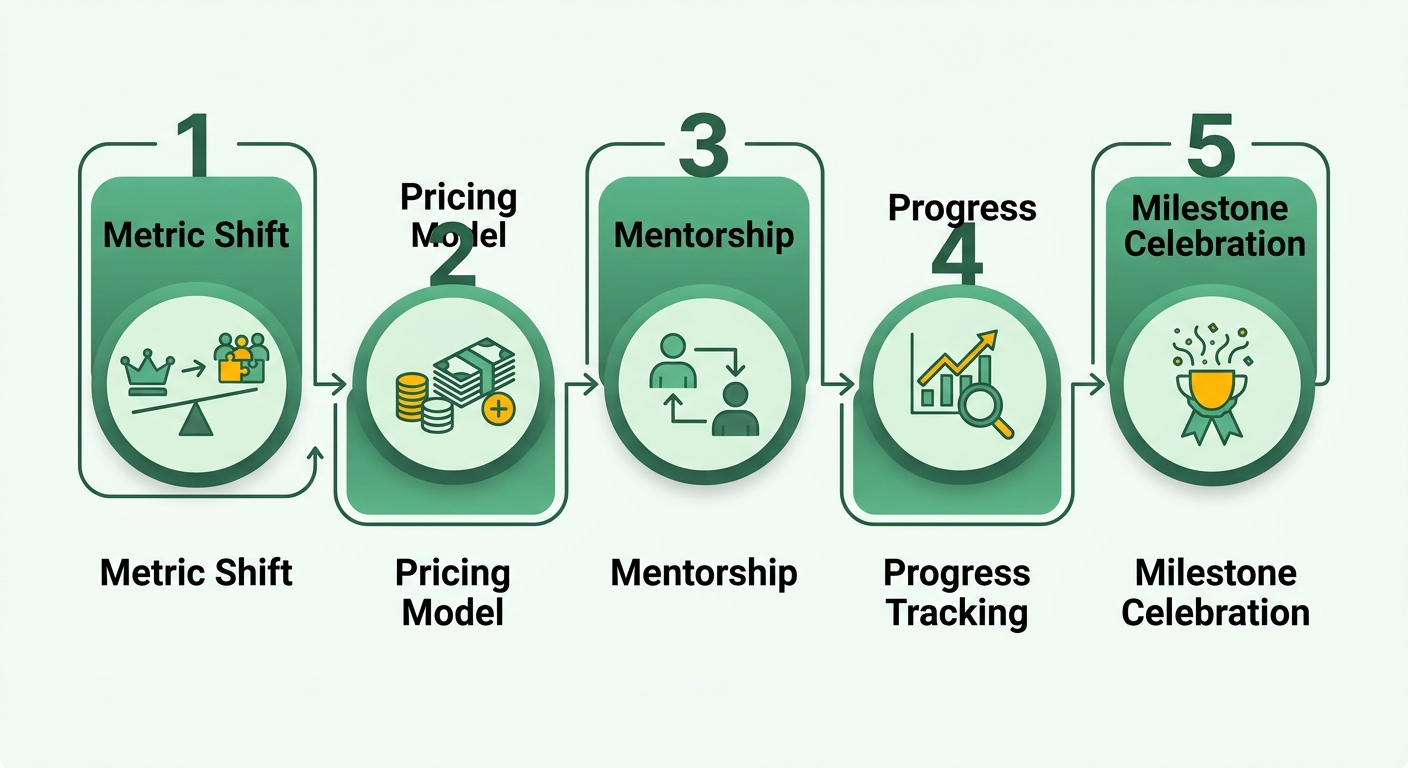
That's the humbling nobody sells you. Challenge Success has raised these concerns for years, and it's why we built a base-plus-bonus structure that ties our full fee to your satisfaction rather than hours billed. When the guidance families buy is often generic and not tailored to the individual family, spending gets divorced from outcomes. A model where you only pay the full fare if you're satisfied helps close that gap.
Why the Current Market Fails Families
Price is disconnected from value. That is the whole problem in one sentence. Families pay premium rates for advice research shows is frequently generic, chasing strategies that do not improve the odds they think they are buying. It is a textbook case for tying advisor pay to real outcomes.
Look at what fuels the spending. Harvard's acceptance rate fell from 16% in 1985 to just over 6% in 2011, rejecting 93.8% of applicants. Scarcity like that turns an acceptance into what one researcher called a "moment of truth" that supposedly separates the talented from the average. Fear sells consulting packages. It rarely sells a better fit.
Our take: when a fee is tied to hours or prestige, the advisor profits from fear itself. Tie the fee to fit and readiness, and the incentive shifts toward what the student actually needs.
What Should "Performance" Even Mean
When pricing rewards prestige, it deepens the anxiety that wears students down. Harvard's education researchers say it plainly: where you go matters very little, but whether you engage matters a lot.
The human cost of the prestige metric is real. 42% of teenagers report feeling consistently sad or hopeless, and 70% of young adults feel more loved when they perform well, according to reporting on achievement pressure. Any success metric worth paying for should guard against that, not feed it.
Who Benefits Most From Getting This Right
The families most exposed to the pressure gain the most: high-achieving households where the stakes feel existential. Those are the parents most likely to overpay, and most likely to crowd into a space that should belong to the student.
The research splits on parents in an interesting way. One study says they're ideally positioned to help, but their emotion clouds their judgment. Another argues that heavy parental involvement signals a student who is not ready. Both are right about different jobs. Parents should own logistics and emotional support, and step back from the application's authentic voice.
That in-between space is where a neutral advisor earns their keep. If your family is already relaxed about outcomes, skip a performance model entirely. For everyone else who feels the runaway train, aligning incentives is the safeguard. Our admissions and life-planning guidance starts from that premise.
Practical Ways to Take the Pressure Down
The pressure leading up to college does not have to break your family first. The most practical move we see work is simple: change what you measure. When success at home means fit and engagement instead of prestige, the anxiety loosens its grip fast.
That reframe sits at the center of how we work, and it's why we tie our pay to student outcomes instead of billable hours. Since engagement is what actually drives a student's growth, any honest accountability model has to define "winning" as the student thriving.
How to Read Your Family's Current Approach
Start by auditing what your teen thinks you value. It is the fastest diagnostic we know. If the answer is "grades and college," there is work to do.
The signals are easy to miss. Specialists who study teen pressure note that the fallout rarely looks like a crisis at first. It shows up as flattened enthusiasm, a teen who stops mentioning any interest that is not on the transcript, or one who treats a B like a personal failure. When kids read approval as conditional on achievement, the pressure meant to protect them starts weighing them down.
Ask your teen straight out what excites them, not what pays well. Wendy Perkinson, an academic and life coach, talks with college students "torn between pleasing their parents and pursuing their purpose." That torn feeling rarely comes from a lack of ability. It comes from living someone else's dream.
Where Parents Should Step In, and Where to Step Back
Own the logistics. Step back from the voice. That one rule resolves a real contradiction in the research.
Admissions committees are looking for authentic student voices, not polished, adult-driven narratives. When parents run the calendar but leave the writing to the student, they're showing trust in the teen's ability. This is precisely the gap a neutral third party fills, and it's why generic advice at premium prices is such a bad deal.
What a Journey Mindset Looks Like
Treat admissions as a search for fit, not a verdict on your child's worth. That framing is the whole game.
Start the conversation early, so healthy boundaries are in place before the cycle intensifies. Protect sleep. Point to strengths that have nothing to do with a transcript. Use good resources to keep perspective. Families who do this do not just lower their stress. They raise a kid who can handle the humbling when it comes.
Building a Support Network Around the Student
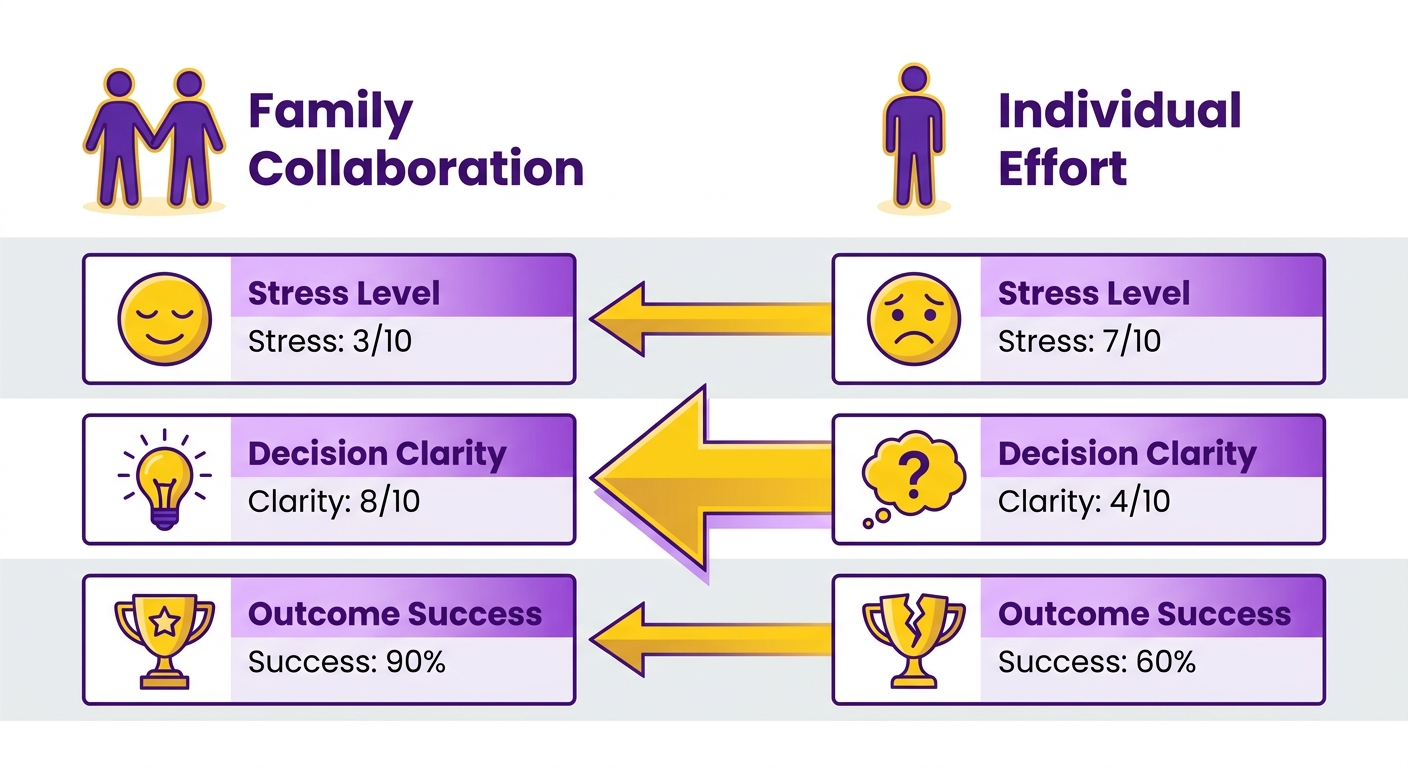
A support network does what no single family can do alone: it spreads the weight. College will humble you fastest when you carry the pressure in isolation, and the research on social support backs that up. Families who work through admissions together, instead of each parent and student stewing alone, report lower stress and clearer decisions. Connection protects in a way solo effort simply cannot.
Those outcomes improve when families stop competing and start connecting. A shared accountability model helps distribute the load, so the advisor carries part of the commitment to a good experience. When the financial incentives are misaligned, the pressure lands back on the student, and the whole support system starts to buckle.
How to Find Like-Minded Families
Start with the families who measure success the way you want to. People focused on fit and engagement, not rankings. Community events are a good place to meet parents who share a commitment to a balanced process, which helps normalize those values instead of leaving them unspoken.
The peer effect cuts both ways. Richard Weissbourd's research, cited in Psychology Today, points to a common disconnect: families tend to assume their neighbors care far more about prestige than they actually do, which manufactures pressure out of thin air. Finding your real peers breaks the spell.
What Parents and Mentors Should Each Do
The maze demands a balance between administrative work and emotional boundaries. Parents handle the structural support. An outside mentor can guide the student's strategy without the friction that so often flares up at home. That division of labor keeps the parent-child relationship supportive instead of transactional, and it gives the student room to chase interests that are genuinely theirs.
When to Build the Network
Now, not senior fall. Planning early lets families set boundaries before the cycle begins, which is exactly what Harvard's Making Caring Common project recommends. Early conversations with counselors, mentors, and peer families set the tone before the pressure compounds.
Skip the network-building if your family already treats admissions as low-stakes and your teen is genuinely steady. For everyone else, a support system is not soft. It is the structure that keeps the process measuring the right things.
How We Approach This at Endurable Education
When families ask how we think about stress and admissions, we answer with a question: what does "winning" actually look like? College will humble you if your definition of success is fragile, and the most fragile one we see is the equation of prestige with achievement. That equation breaks families financially and emotionally, and programs like Challenge Success spend most of their time unwinding it.
We build our fees around family satisfaction rather than the brand name on the acceptance letter. That keeps our goals pointed at the student's readiness for college life.
What Fit Really Measures
Research says fit matters more for learning and well-being than selectivity, and we watch that play out in advising sessions all the time. A student who loves hands-on engineering projects and picks a school with real lab access thrives. That same student at a theory-heavy program burns out, even if the second school ranks higher.
The pricing link matters here because it changes the incentive. If we only got paid when a student landed at a top-20 school, we'd push every applicant toward those schools whether or not they matched the student's strengths. By tying our model to satisfaction, we keep the recommendations objective and centered on the student. We win when you feel the match was right, not when the logo is impressive.
How We Keep the Focus on Long-Term Readiness
Our process starts with planning built around each student's strengths and goals. During the first consultation and the check-ins that follow, we help students figure out what actually engages them. That means reading widely, visiting campuses, and talking to current students about what daily life really feels like. It also means saying no to resume-padding activities that look impressive and quietly drain energy.
We call this the part of the job that doesn't scale. It takes time, and it requires pushing back when a family asks us to manufacture a profile that fits a prestige template. The financial alignment keeps that pushback honest. Since our pay depends on your satisfaction, we have a reason to get the match right. That's the point of a performance model that defines performance as well-being and readiness, not selectivity.
Why the Wrong Metric Recreates the Problem
When the incentive points only at brand-name placement, the advice can drift from what's best for the student's long-term development. National surveys report that first-year students who chose a school for prestige rather than fit transfer at noticeably higher rates, and every transfer costs a family lost credits, extra tuition terms, and months of stalled momentum. When a consultant's incentive stops at the acceptance letter, nobody in the room is watching for that downstream cost.
A performance-based model can fix that decoupling, but only if it measures the right outcome. If the metric is fit and satisfaction, it forces the advisor to care whether the student ends up somewhere they can actually grow. That's the version we built, and it's why we spend so much time saying no to prestige-chasing instead of feeding it.
References
[1] College Admissions Resources - Challenge Success - https://www.challengesuccess.org/college-admissions-resources/
[2] A Healthier Approach to College Admissions - Challenge Success - https://www.challengesuccess.org/events/a-healthier-approach-to-college-admissions/
[3] A Healthy Approach to College Admissions - Challenge Success - https://www.youtube.com/watch?v=SwwkInJVlP0
[4] A Healthier Approach to College Admissions - Challenge Success - https://www.challengesuccess.org/events/a-healthier-approach-to-college-admissions-2/
[5] The Pressure on Teens to Achieve is Real, Here's How Parents Can Help - https://grownandflown.com/pressure-on-teens-to-achieve-is-real-how-parents-can-help/
[6] How to Work With Parents to Reduce Excessive Achievement Pressure - https://mcc.gse.harvard.edu/resources-for-educators/for-educators-how-to-work-with-parents-to-reduce-excessive-achievement-pressure
[7] When Parental Pressure Becomes the College Student's Stress - LinkedIn - https://www.linkedin.com/posts/wendy-perkinson-ph-d-29366a166_when-parental-pressure-becomes-the-college-activity-7389346816510791688-NKmE
[8] Teens Are Overwhelmed by Pressure to Achieve. How Can Parents ... - https://www.kqed.org/mindshift/62235/teens-are-overwhelmed-by-pressure-to-achieve-how-can-parents-restore-balance
[9] Kids Under Pressure - Challenge Success - https://www.challengesuccess.org/kids-under-pressure-a-look-at-student-well-being-and-engagement-during-the-pandemic/
[10] Here's How Parents Can Manage College Admissions Anxiety - https://www.psychologytoday.com/us/blog/i-hear-you/202505/heres-how-parents-can-manage-college-admissions-anxiety
[11] (PDF) Lost in the Admissions Maze: Why Parents Struggle ... - https://www.researchgate.net/publication/399270205_Lost_in_the_Admissions_Maze_Why_Parents_Struggle_to_Navigate_the_US_College_System
[12] (PDF) Extreme pressure: The negative consequences of ... - https://www.researchgate.net/publication/292970617_Extreme_pressure_The_negative_consequences_of_achievement_culture_for_students_during_the_elite_admissions_process
[13] A New Approach to Guiding Your Teen Through College ... - https://www.researchgate.net/publication/356012355_Less_Stress_More_Success_A_New_Approach_to_Guiding_Your_Teen_Through_College_Admissions_and_Beyond
Frequently Asked Questions
1. Does attending a more selective college actually improve my child's career outcomes?
Research indicates that long-term career satisfaction and well-being are driven by how a student engages with their college experience rather than the institution's selectivity tier. Harvard's education researchers confirm that active participation in campus life matters significantly more than the brand name on the diploma.
2. How do I know if my family is measuring success the wrong way during admissions?
Look for signs of chronic stress, such as a teen focusing exclusively on resume-building activities or reacting to minor academic setbacks with extreme anxiety. Often, families feel pressured to conform to perceived community expectations that do not actually align with their personal values.
3. What's the difference between helpful parental involvement and over-involvement in applications?
A healthy balance involves parents managing administrative tasks, such as tracking deadlines and financial aid forms, while allowing the student to write their own essays. This approach preserves the student's authentic voice, which admissions officers value, while reducing the friction of navigating the process alone.
4. When should families start addressing admissions pressure to make it effective?
It is best to establish a healthy framework early in high school. Setting expectations around fit and well-being before the senior year helps prevent anxiety from building as application deadlines approach.
5. Why would a performance-based pricing model tied to elite acceptances harm students?
Aligning financial incentives with brand-name acceptances encourages strategies that prioritize institutional rank over student well-being. This misalignment can intensify the anxiety and feelings of inadequacy that many teenagers experience during the application cycle.
6. How does Endurable Education's pricing structure align with a fit-focused approach?
The pricing structure is designed around family satisfaction rather than specific college rankings. This approach aligns the advisor's goals with the student's readiness and fit, keeping the focus on finding a supportive educational environment.