Land a Summer Research Spot That Strengthens Your Ivy League Application
September 16, 2026

The Short Version
Competitive summer research programs often require faculty mentorship, individual projects, and formal deliverables—not just lecture attendance and certificates. Some fully funded programs, such as Columbia's S-PREP and the Leadership Alliance's SR-EIP, cover costs such as stipends, travel, and housing for eligible students. Some ROI commentary questions whether expensive open-admission summer programs have credible evidence of improving college acceptance rates. Advanced programs such as Harvard's SHURP state that prior independent lab research is required or strongly preferred. Many competitive funded research programs close applications in winter or early spring, so early planning often helps.
Quick Summary
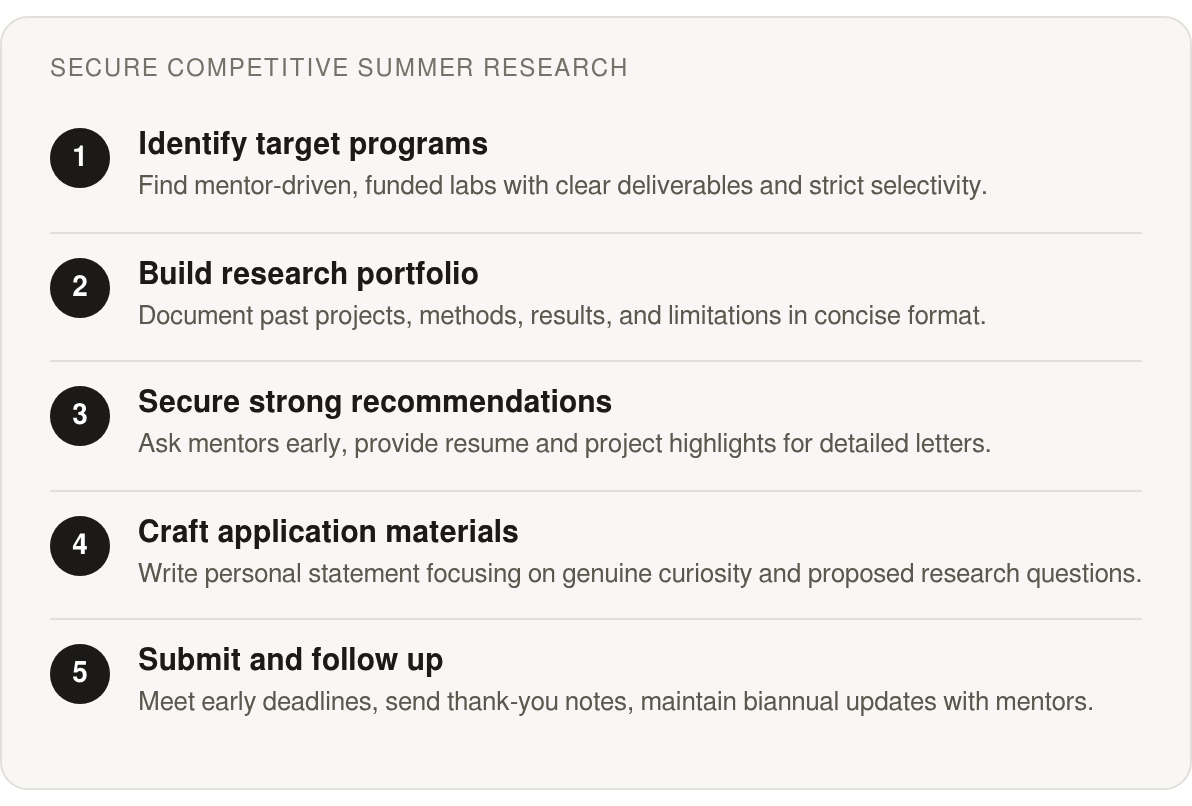
Securing a high-impact summer research position means distinguishing between tuition-heavy enrichment camps and rigorous, mentor-driven laboratories that evaluate academic readiness.
Why Summer Research Matters
Admissions committees at many selective institutions evaluate research not by the prestige of a host campus, but by a student's capacity to formulate hypotheses, execute methodologies, and defend conclusions under expert supervision.
Identify & Target the Right Summer Research Programs
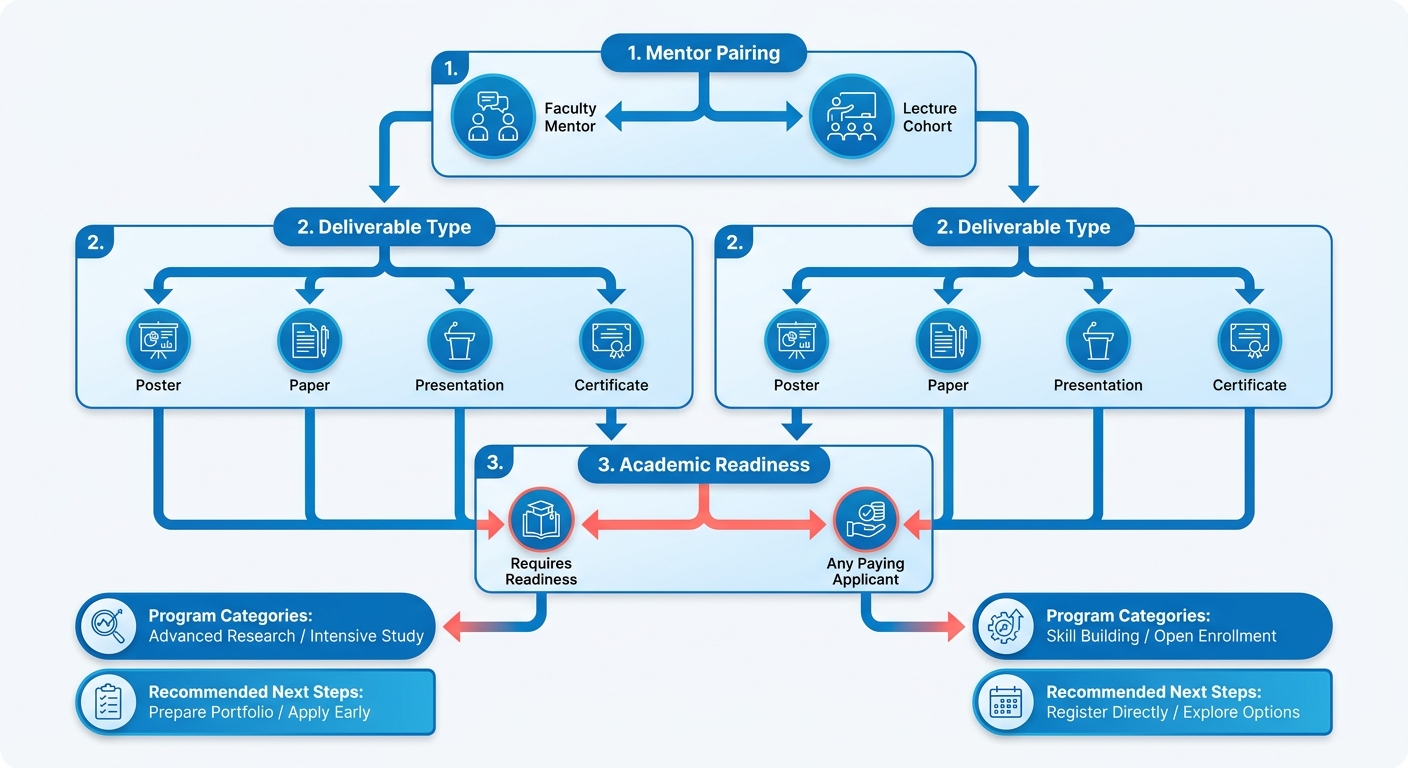
Most applicants focus on institutional brand names without examining program substance. The key questions are simple: Does the initiative pair you with a principal investigator who oversees an independent project, or does it place participants in broad lecture halls? Do you finish with a scientific poster, manuscript, or symposium presentation—or merely a certificate of participation? Does the program select for scholarship, or admit anyone willing to pay tuition?
The difference can be stark. Rigorous initiatives often integrate students directly into active lab groups and require culminating reports that defend findings. Pay-to-play pre-college institutes often function as high-priced introductory survey courses with limited individual experimentation. The former may cultivate prospective scholars; the latter may operate as an auxiliary revenue model.
The Funded Path That No One Markets
Fully funded pathways can provide comprehensive support, yet they often receive less commercial marketing than private summer camps. Columbia's S-PREP, for example, describes itself as free and as prioritizing candidates from economically disadvantaged and underrepresented backgrounds; its BRAINYAC division may include mentored neuroscience investigations. The Leadership Alliance's Summer Research Early Identification Program describes full stipends, travel funding, and campus housing across partner institutions for an intensive summer term without charging tuition.
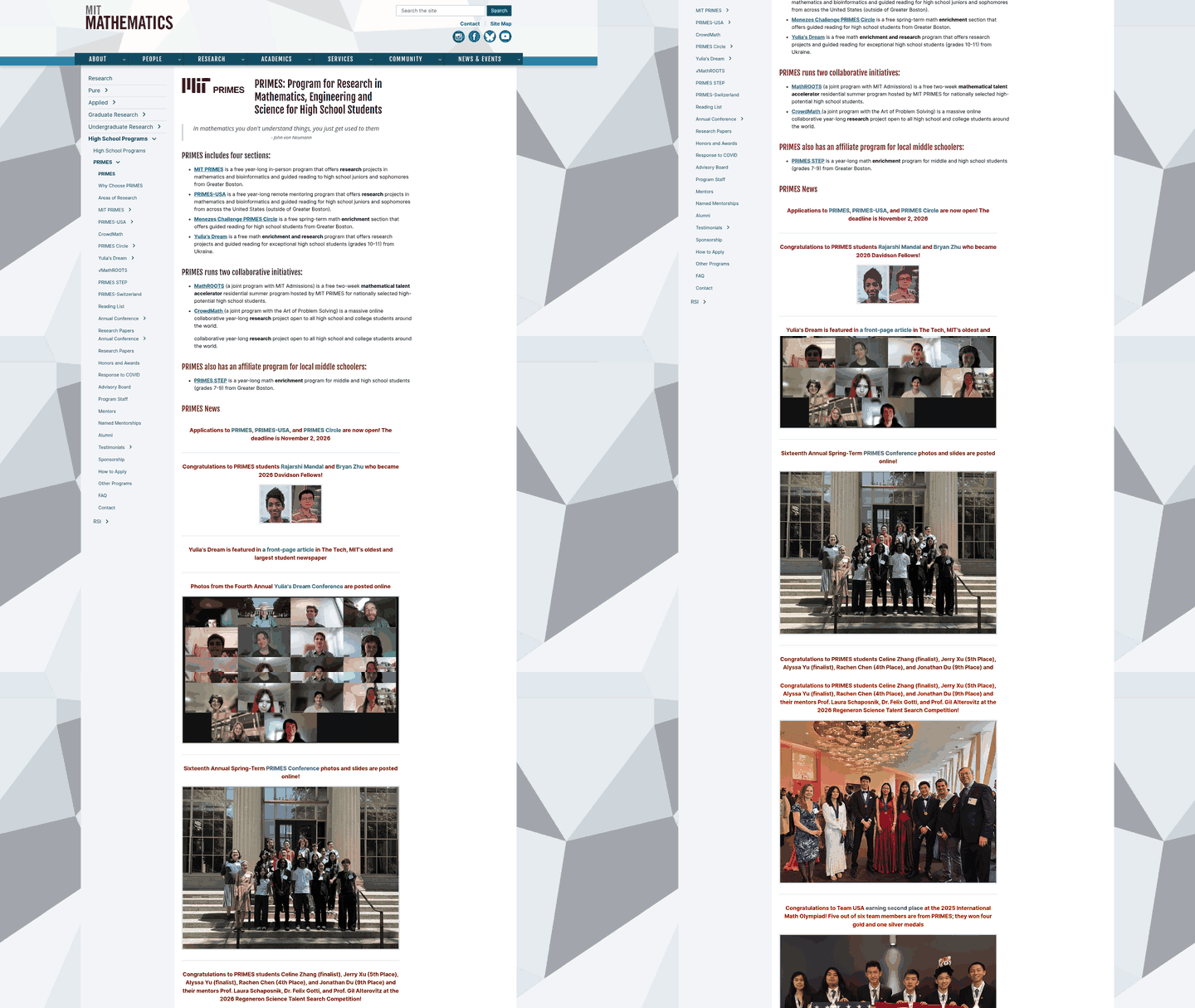
Geographic proximity also offers accessible entry points. Community-focused initiatives near universities can provide direct faculty interaction without the financial burden of distant relocation. Harvard's Ed Portal Mentoring, for example, describes free guidance for residents of Allston-Brighton. Commuting students may be able to use regional university networks to complete meaningful laboratory work while keeping personal expenses low.
The Selectivity Signal That Actually Matters
Some published commentary on program ROI argues there is no verifiable data indicating that non-selective, high-tuition summer experiences boost undergraduate acceptance rates. The statistical advantage often associated with pre-college research may stem from the self-directed initiative of ambitious applicants, not the commercial brand hosting the seminar.
Genuine selectivity may act as an authentic credential. Merit-based programs often accept only a small fraction of candidates, integrate them directly into ongoing faculty research, and culminate in formal evaluations. Competitive applications may require a minimum GPA, faculty recommendations, and complete transcripts. Because some platforms fund participants entirely, their selection committees may screen strictly for analytical maturity, technical capability, and intellectual drive.
What to Rank When You Compare Programs
When cataloging options, establish clear diagnostic criteria:
- Mentorship Structure: Determine whether you will be assigned to an active investigator's bench work or rotated through observational cohorts. Direct faculty or postdoctoral supervision on a defined question may carry greater evaluative weight than broad multi-disciplinary overviews.
- Culminating Deliverables: Review final output milestones. Some programs, such as the Broad Summer Research Program, describe required oral presentations and formal poster symposia. Some Harvard-affiliated summer programs describe requiring scholars to defend experimental data during a departmental seminar. Programs lacking a defense, paper, or poster component may operate as general enrichment rather than research apprenticeships.
- Prerequisite Thresholds: Calibrate targets against documented entry criteria. Harvard's SHURP states that applicants should have at least one prior summer or academic semester of independent bench research. By contrast, the Harvard-Amgen Scholars program states that prior laboratory experience is not a prerequisite. Early-career candidates may benefit from entry-accessible programs before advancing toward prerequisite-heavy fellowships.
How We Help Students Navigate the Market
Our advising team builds individualized program roadmaps based on each candidate's coursework, technical background, and long-term research goals. Rather than applying indiscriminately, we guide students toward laboratory environments where their background may match the faculty lab's methodological needs.
Strategic scheduling can prevent common application bottlenecks. Because many funded opportunities set deadlines well ahead of summer matriculation, candidates often benefit from beginning dossier preparation early. When candidates begin researching placements late in the spring term, many rigorous funded programs may have already finalized laboratory rosters.
Build an Academic Portfolio & Secure Strong Recommendations
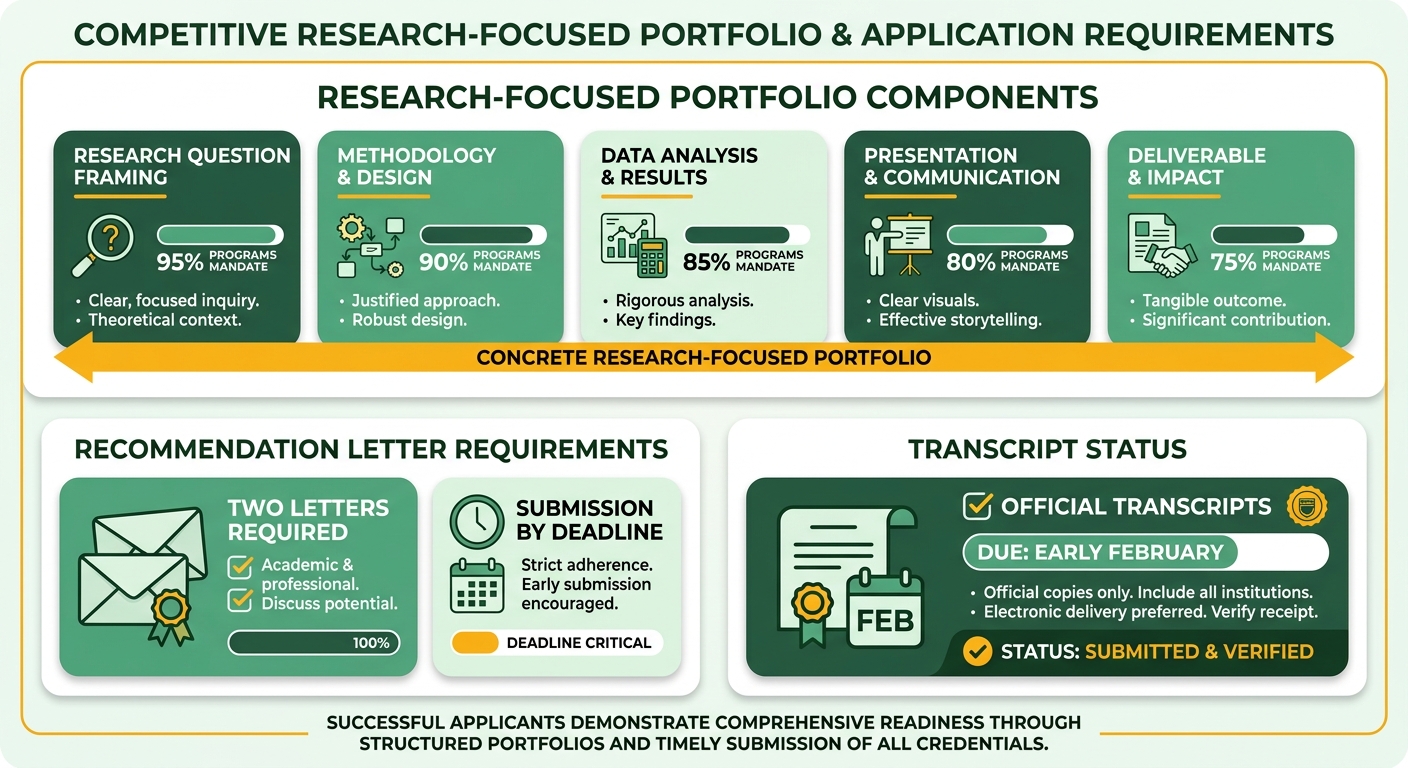
Competitive admissions reviewers often look beyond standard transcripts to evaluate tangible demonstrations of scientific curiosity. Selective platforms may require recommendation letters and official transcripts during winter review, and reviewers often assess whether an applicant can construct hypotheses, follow technical protocols, and interpret empirical results.
Construct a concise research portfolio detailing previous academic investigations, whether executed in a formal course, a local competition, or an independent study project:
- State the central research question or engineering problem clearly at the top.
- Summarize the methodology, control variables, and tools used in a focused technical paragraph.
- Present primary findings with relevant data visualizations, code repositories, or analytical charts.
- Conclude with an objective evaluation of limitations and proposed next steps.
Because some institutions require poster presentations or similar deliverables to validate summer findings, presenting a portfolio of structured deliverables early can show that you understand professional scientific communication.
Your Personal Statement for University Starts Here
Essays for selective summer laboratories can establish a foundational intellectual narrative for later undergraduate personal statements. Selection committees often prioritize genuine intellectual curiosity over padded activity resumes. Some programs, such as Harvard-Amgen Scholars, state that prior research experience is not required, framing their selection process as an open pathway for self-motivated thinkers.
An effective personal statement should avoid superficial prestige-seeking. Rather than general praise for an elite institution, focus the essay on an authentic problem within the discipline. Discuss specific literature you have analyzed, articulate the experimental mechanisms you hope to investigate, and outline the technical questions you intend to explore during an intensive research term.
Recommendation Letters That Speak to Research Potential
Generic endorsements emphasizing standard classroom diligence may not move selection committees. Faculty reviewers often look for letters detailing how a candidate navigates ambiguity, handles experimental setbacks, and formulates rigorous inquiries. Some programs, including the Leadership Alliance SR-EIP, describe training in the principles underlying research, so reviewers may look for recommenders who can validate those foundational instincts in academic settings.
To secure impactful letters, approach instructors well before the earliest deadline. Provide recommenders with an updated resume, an outline of your primary scientific interests, and specific reminders of complex lab assignments, analytical models, or self-directed inquiries you completed under their instruction.
Careful deadline management helps. Because many research fellowship applications open in late fall and close in early winter, application deadlines may overlap with school breaks. Requesting reference letters before holiday closures can give instructors adequate time to craft substantive evaluations.
How to Turn Summer Work Into Long‑Term Collaborations
The end of an on-campus summer program can mark the beginning of an ongoing academic partnership. Maximizing the value of a laboratory placement often requires maintaining active intellectual engagement with your principal investigator, postdoctoral mentors, and research peers after leaving the lab.
Thank-You Notes That Open Doors, Not Close Them
Send a personalized follow-up message soon after completing the program while your contributions remain prominent in your mentor's mind. Avoid templated expressions of appreciation. Instead, reference specific intellectual turning points from the summer—a methodological adjustment, an unexpected data pattern, or a theoretical discussion that clarified your analytical direction.
Use the second section of this correspondence to propose concrete avenues for continued academic progress. Inquire about adapting your summer dataset into a senior honors thesis, submitting findings to a regional youth science symposium, or assisting with manuscript revisions if your work contributed to a larger department publication. Clear proposals may help mentors offer targeted support.
Maintaining Faculty Relationships Across the School Year
Maintaining faculty relationships across the school year can transform short-term lab work into durable academic sponsorship. We instruct students on how to send structured updates that share relevant coursework achievements, literature updates connected to the lab's ongoing research, and progress on related independent projects. This sustained communication may equip faculty mentors to write detailed, compelling recommendation letters when students apply to university honors programs and competitive undergraduate fellowships.
Our student network links emerging researchers with experienced alumni who have navigated similar academic trajectories. When assembling college application materials, we guide students in translating technical research deliverables into personal essays and activity descriptions, ensuring their documented scholarship supports their academic narrative.
References
[1] Summer Research Programs - https://gsas.harvard.edu/programs/recruitment-and-outreach/summer-research-programs
[2] 10 Ivy League Summer Research Programs + Internships for Middle ... - https://www.lumiere-education.com/post/10-ivy-league-summer-research-programs-internships-for-middle-school-students
[3] 20 Ivy League Summer Research Programs for High School Students - https://horizoninspires.com/blog/20-ivy-league-summer-research-programs-for-high-school-students/
[4] Summer Research Early Identification Program | The Leadership Alliance - https://theleadershipalliance.org/summer-research-early-identification-program
[5] Top 10 Ivy League Research Programs for Indian High School ... - https://essai.in/ivy-league-research-opportunities/
[6] Top 10 Research Programs for High Schoolers | Medical/STEM - IvyMax - https://ivymax.com/top-10-research-programs-for-high-schoolers/
[7] 10 Ivy League Summer Programs for High School Students - https://www.lumiere-education.com/post/10-ivy-league-summer-programs-for-high-school-students
[8] Ivy League Summer Programs for Grades 6-12 - IvyWise - https://www.ivywise.com/ivywise-knowledgebase/summer-activities-for-grades-k-12/
[9] Top 50 College-Based Research Programs for High School Students - https://pioneeracademics.com/news/top-50-college-based-research-opportunities-for-high-school-students/
[10] Best Summer Programs for High School Students - Spark Admissions - https://www.sparkadmissions.com/blog/best-summer-programs-for-high-school-students/
[11] Do High-Cost Summer Programs Pay Off? A Measured Look at ROI and ... - https://www.fineeducationalsolutions.com/blog-post/do-high-cost-summer-programs-pay-off-a-measured-look-at-roi-and-admissions-impact
Frequently Asked Questions
When should I start applying to competitive summer research programs if I want to attend the summer after my junior year?
Consider building your target list during sophomore spring or early junior fall. Because many fellowship portals open by late autumn and finalize candidate pools by mid-winter, preparing personal statements, portfolio summaries, and faculty recommendation packets before the holiday break may help ensure complete materials before common winter deadlines.
Can I apply to Harvard's SHURP program if I've never done lab research before?
Harvard's SHURP states that applicants should have completed at least one prior term or summer of independent laboratory experience. Students without previous bench experience may want to target foundational programs designed to train first-time researchers before seeking advanced departmental placements.
What makes a recommendation letter strong for research program applications?
Effective letters often highlight problem-solving independence, methodological precision, and intellectual resilience rather than passive compliance or high test scores. Evaluators may respond best when a teacher explains how you troubleshooted an unexpected experimental anomaly, revised a statistical hypothesis, or pursued an unprompted scientific inquiry.
Should I continue working with my research mentor after the summer program ends?
Maintaining ongoing communication can transform a brief summer placement into a sustained academic alliance. Following up promptly to discuss extending findings into independent academic competitions or publication submissions, and providing regular term updates about coursework and continued scientific exploration, may help sustain the relationship.